Showing posts with label Stevens Engineers & Constructors Blog. Show all posts

Friday, January 6, 2023

What's The Difference Between OffShore and OnShore Wind Energy?

The wind is an excellent source of energy, but getting energy from the wind is by no means a new idea. Since ancient times, people have been using wind power. 

But now, the utilization of wind energy is increasing.

Offshore and onshore wind farms are important to the goal of having a carbon-neutral electrical system. These range from the many visible wind turbines across the countryside to the larger operations off our coasts.

In this post, we'll talk about the differences between offshore wind energy and onshore wind energy.


Key Takeaways About Offshore and Onshore Wind Farms:

  • Wind is an excellent source of energy, and the utilization of wind energy is increasing.
  • Offshore and Onshore wind farms are an important piece of renewable energy sources that can help lessen our dependence on fossil fuels.
  • Onshore wind power refers to wind turbines constructed and situated on land.
  • Offshore wind power refers to wind farms built on shallow bodies of water, usually in the ocean.
  • STEVENS builds power systems and facilities for the wind energy generation industry. We are equipped to work with companies in all power and energy sectors, including wind energy.


Table Of Contents


How does wind power work?

Wind power plants use turbines to generate electricity from wind energy.

The blades on the turbines are attached to a motor which uses the motion of the blades created by the wind to create electricity.

The electricity created is sent to a gearbox, and the gearbox converts the slow spinning of the blades into a fast rotating motion.

That turns a drive shaft fast enough to power an electrical generator.

In the past, onshore wind turbines were the most popular.

However, as technology has improved in recent years, offshore wind farms in deep waters have been created.


What's Onshore Wind Energy?

Onshore wind power refers to wind turbines constructed and situated on land rather than water.

They are often found in locations with low population density and conservation value.
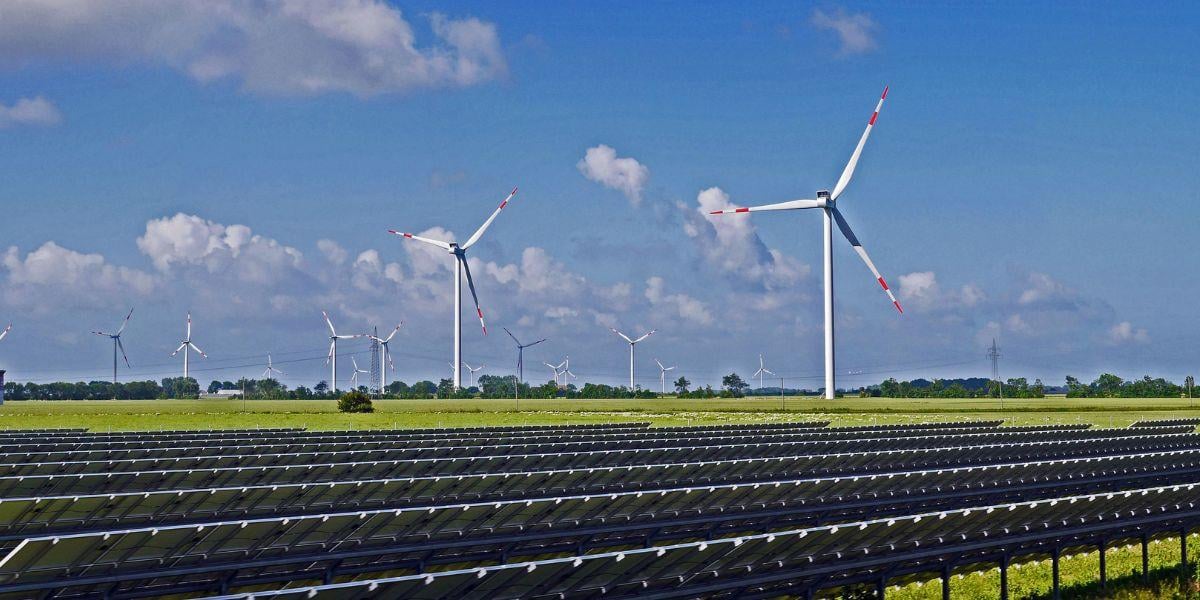
onshore-wind-farm-next-to-a-solar-farm

The Pros of Onshore Wind Farms

Cost-effective

Onshore wind turbines are cheaper than offshore turbines.

They are one of the cheapest ways to get renewable energy, along with nuclear and solar power.

The costs related to infrastructure and maintenance for onshore wind farms are much lower than for offshore wind projects.

They sometimes cost half as much as the wind projects that create offshore energy.

Investments in onshore wind farms will pay off in as little as two years, all the while creating cost-efficient power for consumers.


Boosts Local Economy

Energy companies consider how their wind farms will benefit local economies when they are determining the best areas to construct their farms.

The economic value can be measured by how much money the onshore farms and local landowners make and how many jobs are created for people in the area.


Quicker Installation

The installation of onshore wind farms is cheaper and takes less time.

Onshore wind farms can be built and ready for business in a matter of months, while other sustainable energy projects can take a while to develop and be constructed.


What's Offshore Wind Energy?

Offshore wind farms are built over shallow open bodies of water, usually in the ocean.

The wind speeds in these areas area are greater, and the farms can get the most power from the wind.

The term "offshore wind" can also be used to describe offshore wind turbines in lakes and fjords.

Most offshore wind farms have wind turbines fixed to the ground in shallow water. But as offshore technology improves, wind farms will be able to be built in deeper waters.


The Pros of Offshore Wind Farms

Generates More Energy

Onshore wind turbines generate an average of 1MW less power than offshore farms.

Offshore wind farms have larger turbines than onshore turbines, which are limited to a certain height. This means that more energy can be captured.

Offshore wind speeds are almost always higher than land speeds.

That means more energy can be produced at sea than on land.


More Efficient

Offshore wind farms are thought to be more effective at making energy than onshore ones.

Offshore farms can make equal amounts of energy as onshore farms with fewer turbines.

This is because winds at sea are stronger and blow in the same direction more often than winds on land.


Less Intrusive

Offshore wind farms also have fewer environmental impacts than their onshore counterparts because they are out at sea.

There aren't any buildings or other obstacles that can get in the way of offshore wind farms.

They also don't affect how towns use their land or create noise pollution.

You can build bigger offshore wind farms per square mile than onshore ones because there are fewer obstacles, and they have less of an effect on the environment.
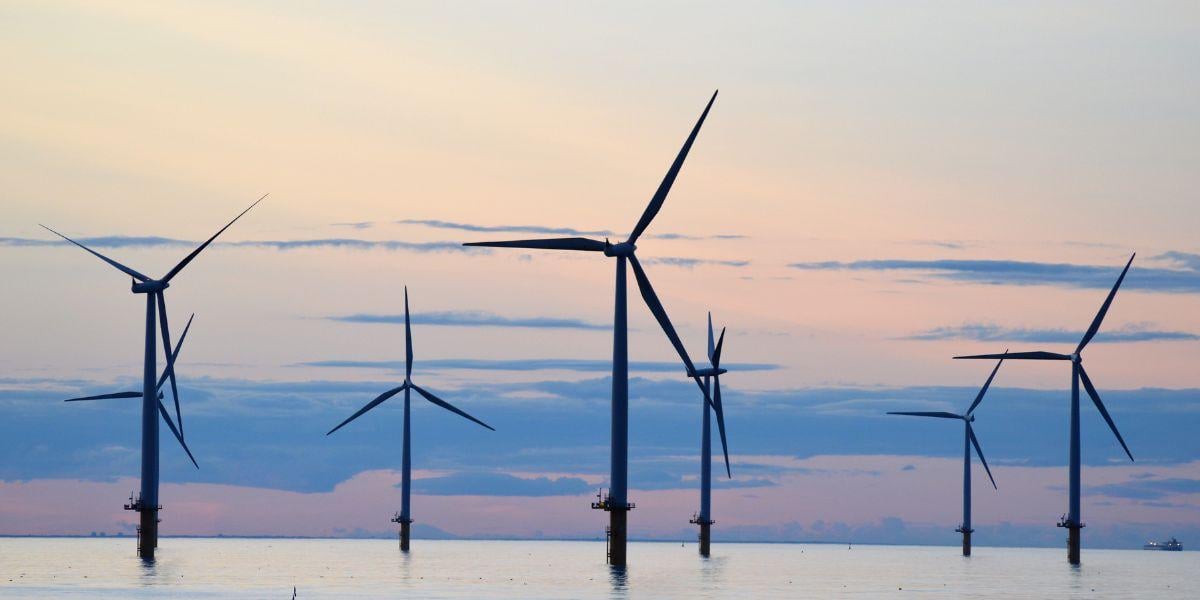
offshore-wind-farm-in-the-ocean

Similarities Between Onshore and Offshore Wind Power

Onshore and offshore wind turbines have their differences, but they work by the same mechanical principles.

All wind turbines have rotor blades that spin around a horizontal hub.

They all have a gearbox and a generator.

When the wind hits the blades and spins them, kinetic energy is sent to the gearbox.

Now the gearbox speeds up the rotation of the blades so it can power the generator.

The generator turns the rotational energy into electricity.

And finally, the power is sent to the grid to be used by consumers.

All wind turbines are built with pretty much the same materials no matter where they are constructed.

If offshore and onshore turbines were the same size and the winds were the same speed, then they would both generate the same amount of power.


Differences Between Onshore and Offshore Wind Power

Even though the materials and mechanics of onshore and offshore wind turbines are similar, they have some big differences.

Where the wind farms are located is the most obvious difference between the two types of farms.

In fact, most of the differences between land and sea turbines and how they are built come from the vast differences in geography and geology between the two.

Setting up onshore wind farms is much cheaper than offshore farms.

To build an offshore wind farm, you will need platforms, underwater cables, interconnection, and additional safety features.

This all adds to the installation cost.

Also, maintenance on offshore farms has to be done by helicopters and boats that can go out into the ocean, which is more expensive than land-based options.

However, onshore wind power isn't as dependable or predictable as offshore wind power.

Before land is bought or rented for the construction of a wind farm to make clean energy, the terrain and wind currents that the terrain is exposed to must be carefully studied.

That in itself can cause problems and add additional costs.

You also need available land.

With the world's population growing exponentially and more land being used for housing and farming, land comes at a premium when it comes to locating areas to set up wind farms.

There's plenty of space available in the ocean, and offshore farms have fewer difficulties with wind power and availability.

This allows them to make more reliable and efficient power.


The Future Of Wind WITH STEVENS 

Overall, wind turbines are easy to set up, whether they are on land or at sea. This is especially true when compared to other energy sources.

As long as the wind keeps blowing, wind energy will continue to be an essential energy source and a critical part of energy conversation.

Researchers expect onshore and offshore wind technology to improve in significant ways in the coming years and decades.

STEVENS builds power systems and facilities for the wind energy generation industry.

With decades of combined experience serving clients of all types and sizes, our expert crews have the knowledge and skills to meet energy-sector projects' demands.

Our family of companies ensures every client is able to complete projects on time, on budget, and according to exact specifications.

We are equipped to work with companies in all power and energy sectors, including offshore and onshore wind energy.

Click on the button below to see how we can help you with your renewable energy construction project.
 get-your-wind-farm-quote


Check out our other articles:

What Are The Main Types Of Renewable Energy?

What Is A Solar Farm?


References:

https://www.brunel.net/en/blog/renewable-energy/onshore-offshore-wind

https://www.expertisedelivered.com/insights/blog/the-pros-and-cons-of-onshore-vs-offshore-wind-farms-29/

https://kiwienergy.us/differences-between-onshore-offshore-wind-energy/

https://housemethod.com/solar/onshore-vs-offshore-windpower/


Thursday, October 27, 2022

What Are The Main Types Of Renewable Energy?

What Are The Main Types Of Renewable Energy?

A source of energy that can be used repeatedly, like the sun, is called a "renewable energy source."

When people talk about alternative energy, they usually mean renewable energy.

It refers to sources of energy that can be used instead of coal and other sources that can't be used forever.

In the article below, we will discuss the most common types of renewable energy.

Key Takeaways About Renewable Energy:

  • The United States uses a lot of nonrenewable energy sources like coal, natural gas, and oil.
  • A lot of nations are working to increase renewable energy as a means of lowering carbon dioxide emissions.
  • Some of the most common forms of renewable energy are solar power, wind energy, hydropower, and geothermal.
  • Renewable energy construction projects are important as they help us to not rely solely on fossil fuel sources
  • Star your renewable energy project with STEVENS!

Table Of Contents


Most Of Our Energy Is Nonrenewable

In the United States, most energy used to do work comes from nonrenewable energy sources.

Nonrenewable energy sources include coal, natural gas, and oil, which are all fossil fuels. These sources can be found in nature but are finite in their amount.

Nonrenewable energy sources often take thousands of years to form, and they have to be taken out of the ground and burned to make the energy that makes electricity.

When they are burned, they also give off dangerous greenhouse gases like CO2.

Coal, natural gas, and petroleum are all made from the buried remains of sea plants and animals that lived millions of years ago.

Most of the petroleum products used in the U.S. are made from crude oil, but petroleum liquids can also be made from natural gas and coal.

Uranium produces nuclear energy; when they're atoms are split (nuclear fission) it creates a nonrenewable energy source to make heat and, eventually, electricity.

Scientists think that uranium was made billions of years ago when the stars were made. Uranium is found in the crust of the Earth, but most of it is too hard or expensive to mine and turn into fuel for nuclear power plants.


Renewable energy HAS BEEN the main SOURCE OF energy for most of human history

For the majority of human history, biomass from plants have been the main energy source.

In the United States, nonrenewable energy sources started to overtake most renewable energy consumption in the early 1800s.

By the early 1900s, fossil fuels had become the primary energy source.

The use of biomass for homes was still a source of energy, primarily in rural areas and as an additional heat source in metropolitan areas.

Incentives for renewable energy, particularly for electricity production, led to an increase in biomass and other renewable energy sources starting in the middle of the 1980s.

A lot of nations are aiming to boost the usage of renewable energy as a means of lowering and preventing carbon dioxide emissions.

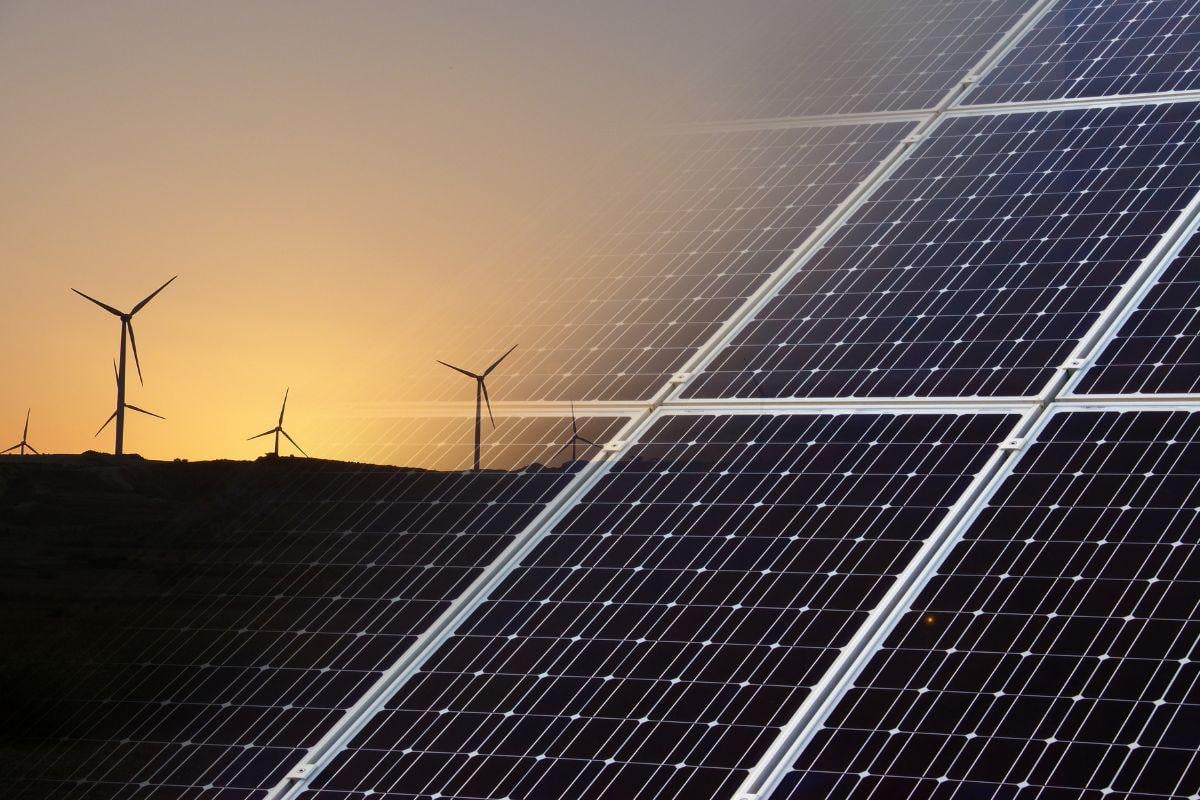
wind-and-solar-energy-can-help-decrease-our-need-for-fossil-fuels

The Most Common Types Of Renewable Energy

Solar Energy

One of the most readily available energy sources on our planet is sunlight.

The volume of solar energy that reaches the globe's surface in a single hour exceeds the planet's annual energy needs.

Solar farms can create enough energy for thousands of homes by utilizing mirrors to focus the light of the sun across acres of solar cells.

The amount of solar energy we can utilize varies depending on the time of day, the season of the year, as well as our geographic location, despite the fact that it may seem like the perfect renewable energy source.

Solar energy is becoming a more and more common alternative to complement your energy use in the U.S.


Wind Energy

Another plentiful source of renewable energy is wind.

With wind power contributing more and more to the electric grid, wind farms are becoming a more common sight in parts of the U.S.

Wind energy harnesses the kinetic energy of moving air by using large wind turbines located on land (or in bodies of water.

Wind energy doesn't release any harmful products or produce carbon dioxide that can cause environmental damage or affect human health negatively, like smog, acid rain, or other heat-trapping gases.

Even though "off-grid" or household power methods exist, not every property can accommodate a residential wind turbine.

get-a-renewable-energy-quote


Hydro energy

Hydropower is one of the most commercially established sources of renewable energy.

A big reservoir can be utilized to create a regulated flow of water that will drive a turbine and produce power by erecting a dam or barrier.

The ability to store electricity for use during peak demand often makes hydroelectric energy more reliable than solar or wind power (especially if it's tidal rather than river-based).

Hydroelectric power can occasionally be more cost-effective as a commercial energy source (depending on the type and compared to other energy sources), but it can also be utilized for domestic, "off-grid" generating.


Tidal Energy

Another hydro energy source is tidal power, which uses twice-daily tidal currents to power turbines and feeds the power grid.

Even though the tidal flow isn't constant, unlike other hydro energy sources, it is very predictable and may make up for times when the tide current is weak.


Geothermal Energy

Geothermal energy can be utilized to heat homes directly or to generate power by utilizing the natural heat that exists beneath the earth's surface.

Geothermal energy is important to nations like Iceland, where geothermal heat is considerably more freely available, despite harnessing a power just beneath our feet.


Biomass Energy

In this process, solid fuel created from plant resources is transformed into electricity.

Although the core of biomass is the burning of organic materials to create electricity, this process is now cleaner and more energy-efficient.

Biomass creates power at a significantly lower financial and environmental cost by turning home, industrial, and agricultural waste into solid, liquid, and gas fuels.


What Are The Benefits Of Renewable Energy?

Harnessing the potential of renewable energy sources is crucial for our future for a number of reasons.

Governments worldwide are working to create renewable energy sources since they are significantly more abundant than fossil fuels.

The clean energy that renewables supply will be essential in halting further global warming, which is perhaps the most critical factor.

When used, renewables emit little to no harmful emissions.

Because of this, achieving many of our future net zero goals will depend on expanding their current use.

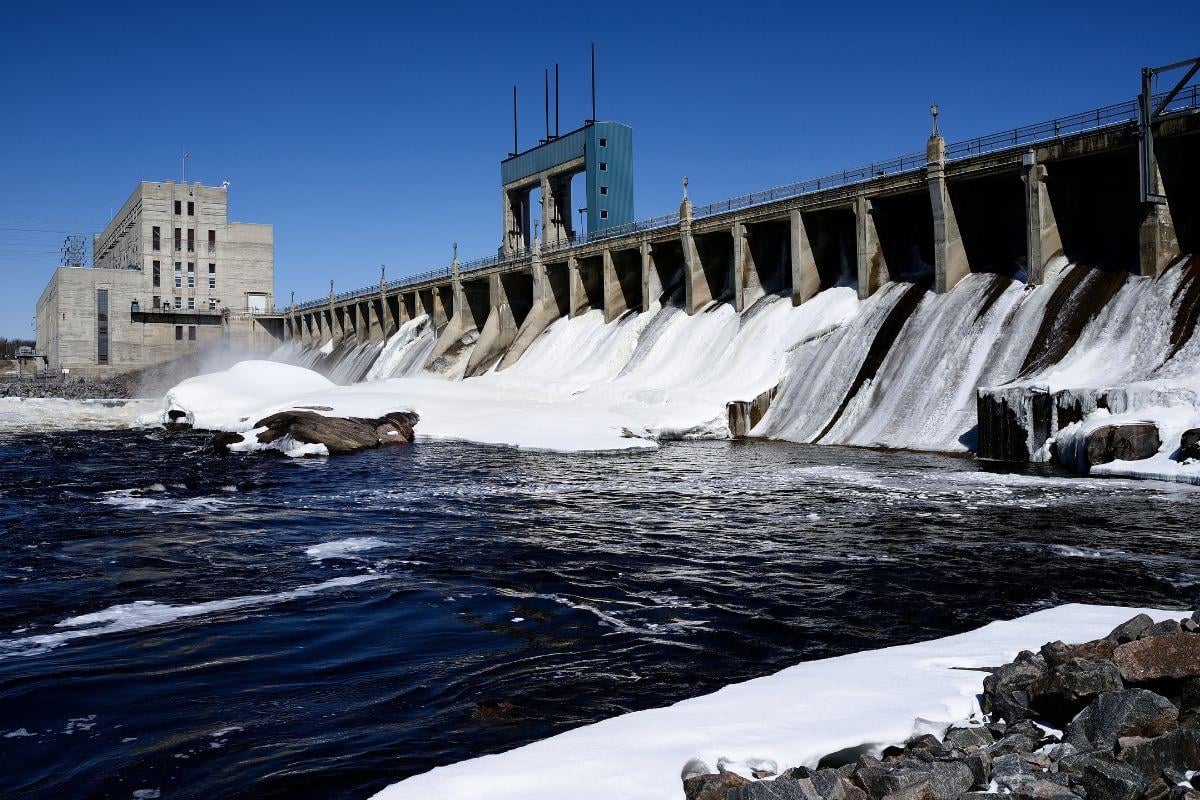
this-dam-helps-produce-electricity

Are There Any Disadvantages Of Renewable Energy?

Numerous renewable energy sources, as we already established, cannot always be relied upon.

We cannot produce solar power when the sun sets or is obscured by clouds or wind power when there is no wind.

Because of this, many nations continue to supplement their renewable energy sources with fossil fuels.

Due to this varying production capacity, substantial energy storage systems are needed to ensure that there is always adequate electricity when the production of renewable energy drops.

An alternative solution is using many renewable technologies to build a more adaptable supply chain that can offset drops in production for a particular source.

Some renewable resources, including biomass and hydropower, do not experience these supply issues, but each has a unique environmental impact.

Additionally, some renewable energy sources, including wind and solar farms, are a source of complaints from nearby residents who do not wish to live near them.


Are Renewable Energy Resources The Same As Clean Or Green Energy?

Although the phrases "green energy," "clean energy," and "renewable energy" are sometimes used synonymously, there is a significant distinction between them.

Electricity generation using a clean source of energy is emission-free.

However, a "carbon cost" may occasionally be associated with its production or upkeep.

For instance, in order to build hydroelectric facilities with a dam, natural areas must be cleared, and this effort frequently results in carbon emissions.

Green energy is produced entirely naturally and has little to no negative environmental effects during production or consumption.

One of the benefits of solar energy systems is that they don't create greenhouse gases or pollute the air if they are responsibly built; most solar panels have few environmental impacts beyond manufacturing.

They both have the potential to be renewable sources of electrical energy, which means their source is inexhaustible.

So, while most green energy sources are renewable sources, not all renewable energy sources are considered green.

START YOUR RENEWABLE ENERGY CONSTRUCTION ProjECT TODAY

The construction industry is making great leaps toward greener technologies, but if we want to make renewable energy sources more common, we need to start the process today.

With decades of combined experience serving clients of all types and sizes, STEVENS' crews have the knowledge and skills needed to meet the demands of renewable energy construction projects.

If you're looking for a construction company to help with renewable energy sources like solar power, wind turbines, and even hydrogen modular plants, STEVENS is your best choice. 

If you're ready to get started on your renewable energy construction project with the best construction company in the renewable energy industry, click on the link below.


get-your-renewable-energy-construction-quote


References:

https://www.twi-global.com/technical-knowledge/faqs/renewable-energy#Disadvantages

https://www.nationalgrid.com/stories/energy-explained/what-are-different-types-renewable-energy

https://www.eia.gov/energyexplained/what-is-energy/sources-of-energy.php

https://www.edfenergy.com/for-home/energywise/renewable-energy-sources


Wednesday, October 5, 2022

What Is A Solar Farm?

Did you know the sun gives off enough energy in one hour to satisfy the worldwide energy needs for one year?

The sun is indeed an incredible energy source, and we are just scratching the surface of being able to harness its true power.

That's why the renewable energy industry is beginning to take off, and solar farms are sprouting up across America.

They are popping up in all shapes and sizes, from small for local communities to massive, utility-scale solar farms powering thousands of homes.

In the article below, we will discuss what a solar farm is and the power it can harness.

KEY TAKEAWAYS ABOUT SOLAR FARMs

  • Solar Farms are large-scale solar installations where solar panels are used to harvest the sun's power.
  • A solar farm costs between $0.80 and $1.30 per watt rather than the $2.76 per watt average cost of a residential installation.
  • Utility-scale solar farms can have a capacity of anywhere between 1 MW to 2,000 MW.
  • The energy produced by a solar farm depends on how big it is.
  • With decades of combined experience serving clients of all types and sizes, STEVENS has the knowledge and skills needed to meet the demands of renewable energy projects like solar farms.


Table Of Contents


What Is A Solar Farm?


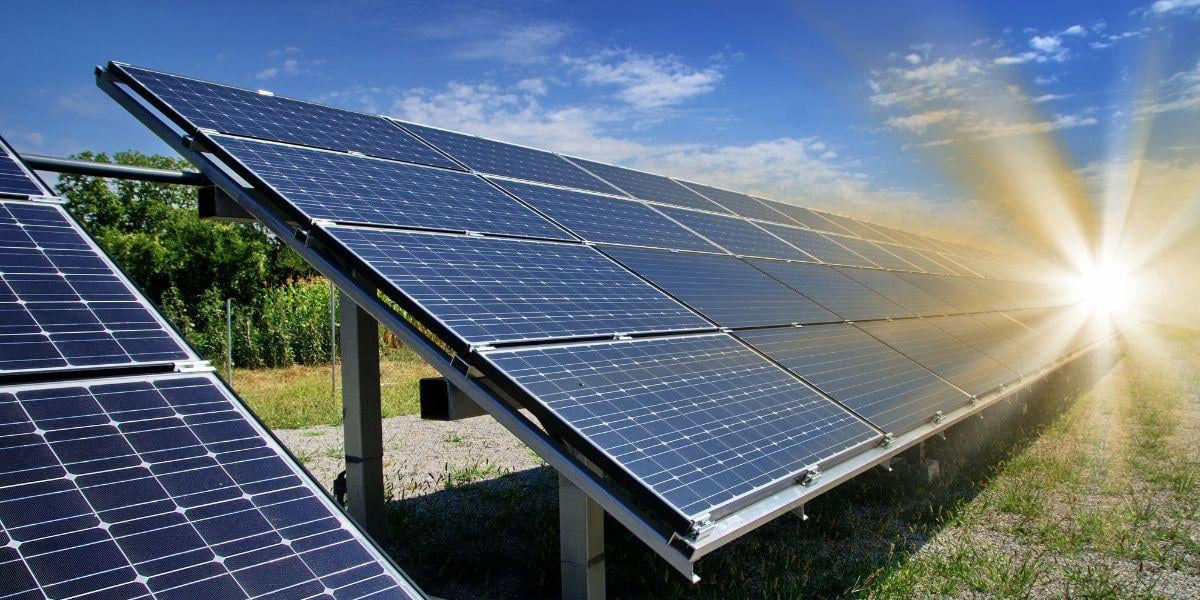
A solar farm is a large-scale solar installation where photovoltaic (PV) panels (solar panels) are used to harvest the sun's power.

These solar arrays are different from rooftop solar systems and even commercial solar power systems.

Solar farms are also called solar parks and solar power stations.

They operate as power plants, similar to a natural gas power plant or other sources of energy generation that send electricity to the power grid.

Unlike residential and commercial systems, solar farms are decentralized and typically consist of ground-mounted solar panels installed across large areas.

Instead of providing power to a local end-user like a homeowner or business, solar farms give power to the electric grid and are part of the utility’s energy mix.

There are different types of large solar farm projects, like community solar farms and utility-scale solar farms.

A solar farm project could be built to power data centers or other large users of solar power or for other businesses that have a solar project built purely for their use, either onsite or offsite.

get-your-solar-energy-project-quote


How Does A Solar Farm Work?

Using unoccupied land, typically farmland, solar farms use solar panels to convert sunlight into energy.

The generated solar energy is piped into the electric grid.

The local electricity company pays the owner for the generated energy.

The primary standards are similar to a solar panel operation installed on a homeowner’s rooftop, just on a much larger scale.

A solar farm uses an enormous plot of land for solar energy generation to sell power to the local utility at a profit.


How Much Does A Solar Farm Cost?

The per-watt cost of building a solar farm is lower than residential solar.

However, potential savings for individuals are not nearly as high.

You will generally save about 5-15% on your electricity bill when you subscribe to community solar gardens.

Compared to residential solar panel setups, a solar farm is much cheaper to build.

A solar farm costs between $0.80 and $1.30 per watt rather than the $2.76 per watt average cost of a residential installation.

Due to their sheer size, a solar farm cost can be between $800,000 to over 1.3 million dollars.

That is significantly higher than the $20,474 average cost of a residential installation.

But utility solar panel farms typically be at least one megawatt (MW), which is enough electricity for consumers - about 200 households. 

this-solar-farm-was-prepped-and-built-by-stevens


Utility Solar vs. Community Solar

The thousands of solar panel installations in the U.S. can be grouped into two types of solar farms based on size.

  • Utility-scale
  • Community solar

The most significant difference between utility-scale and community solar farms is size and scale.

Utility-scale solar farms tend to power a larger electricity grid than community solar. 

Utility-scale solar farms can have a capacity of anywhere between 1 MW to 2,000 MW.

Community solar farms are typically under 5 MW in size.

It's not uncommon to find ones that are under 100 kW.

Another key difference is who they send their power to. 

Community solar farm projects serve members of a community who have paid for a share of its power output.

Utility solar farms serve a local utility company and all of its customers as part of the energy mix it carries on its power lines.


How Much Energy Can A Solar Farm Produce?

The energy produced by a solar farm depends on how big it is.

For example, one of the biggest solar energy projects on the planet is Longyangxia Dam Solar Park, situated on hundreds of acres in China.

The solar panel farm generates approximately 850 MW every day.

The Desert Sunlight Project, a 550 MW solar farm, was constructed in 2011 in Riverside County, California.

The biggest solar thermal energy farm on the planet is the Ivanpah Solar Electric Generating System, situated in the Mojave Desert in California, producing a daily limit of 392 MW.


STEVENS Renewable Energy Construction Services

STEVENS builds power systems and facilities for the energy generation industry, including solar installation.

With decades of combined experience serving clients of all types and sizes, our crews have the knowledge and skills needed to meet the demands of renewable energy projects like solar farms.

Click below to find out how STEVENs can help with your next solar farm project.

get-your-renewable-energy-construction-quote

References:

https://theberkey.com/blogs/water-filter/what-is-a-solar-farm-what-are-the-pros-and-cons

https://www.renewableenergyworld.com/storage/what-is-a-solar-farm/

https://chariotenergy.com/chariot-university/solar-farms/

https://www.solarreviews.com/blog/what-is-a-solar-farm-do-i-need-one

https://news.energysage.com/solar-farms-start-one/


Wednesday, September 14, 2022

What Is Pipe Spool Fabrication?

Industrial construction encompasses a wide variety of projects.

Everything from petroleum refineries to chemical and power plants.

Industrial construction requires intensive piping to connect a variety of equipment and process fluid and gas. 

Pipe spools for this piping are pre-manufactured in the fabrication shop following a series of cutting, beveling, welding, and other processes.

[Related: What do pipe fabricators do?]

Pipe spool fabrication is a critical stage for piping but also in an overall industrial construction project.

Assembly should be done precisely, and there is no room for mistakes.

In the article below, we will look at pipe spool fabrication.

Key Takeaways about pipe spool fabrication:

  • It is done off-site in a controlled environment.
  • It'll reduce the construction time.
  • The quality of the work is easier to manage
  • Fabrication in facilities minimizes production delays.
  • STEVENS pipe fabricator shop has decades of experience meeting customer specifications, completing challenging assembly, and providing on-time delivery to ensure our clients' projects are finished on time.


Table Of Contents


What Is Pipe Spool Fabrication?

Pipe spools are fabricated off-site to cut down on assembly time with various raw pipes and pipe fittings.

They include flanges, elbows, tees, and more.

Raw pipes are pre-cut to precise sizes together with pipe fittings and other components.

They are temporarily fitted together, and this partially finished sub-assembly is welded with other spool components.

The pipe spooling process can be grouped into two phases; spool roll fitting and welding and spool permanent position fitting and welding.


Spool roll fitting and welding turn the main pipe using a rolling machine.

The fitter does not need to alter his position to perform the task.

In spool position fitting and welding, portions of the main pipe go beyond the clearance limit.

This forces the fitter to move around the main pipe to complete the fitting and welding process.

This makes spool position fitting and welding a longer process than spool roll fitting and welding.

Decreasing the number of spool position fitting and welding is one of the pipe spool fabrication sequencing objectives.


Pipe Spooling Application

Industrial projects like power plants and petroleum refineries need intensive piping.

These industries need a variety of equipment to be connected to carry and transport processed fluid and gas.

Because of spatial limitations on-site and the need to finish the construction fast, industrial construction projects rely heavily on off-site fabrication and assembly.

This process has two stages - pipe spool production and site installation.

get-your-pipe-spool-fabrication-quote


Why Are Pipe Spools Prefabricated?

Prefabricating pipe spools is a proven means for reducing field installation costs.

It also provides the highest quality in the products fabricated.

Pipe spools often have to be flanged to connect to other spools.

The fabrication of these pipe spools and their components is typically performed by fabrication companies equipped with the required infrastructure.

Specialty fabricators work under a defined set of designs and quality management criteria, ensuring the accuracy of fabrication and achieving the proper fit at the job site.


Cost Savings in Pre-Fabrication, Inspection, and Testing

  • The quality of the work is easier to manage and maintain in a controlled environment.

  • Fabrication in facilities minimizes production delays.

  • Prefabricated spools answer the severe skill and labor shortage. In addition, a significant workforce doesn't have to be used to fabricate spools on site.

  • Manufacturing in mass production results in lower manufacturing costs compared to fabrication.

one-of-our-pipefitters-working-on-an-industrial-pipe-fabrication-project


Contact STEVENS For Your Next Industrial Pipe FABRICATION Project

At STEVENS, our pipe fabrication experts will work with you to determine the best piping methods for your specific project.

We will provide an estimate that includes every step in the process.

We've worked with complex piping systems, large and small piping projects, and a wide variety of customized piping projects.

Our pipe spool fabrication services are unmatched.

As leaders in the pipe fabrication industry, we can get the job done right, on time, and within budget.

Our pipe fabricator shop has decades of experience meeting customer specifications, completing challenging assembly, and providing on-time delivery to ensure our clients' projects are finished on time.

If you need professionally created and engineered pipes for your next pipe fabrication project, contact STEVENS today!

Click below for your quote from the best pipe fabrication company.

free-pipe-spool-fabrication-quote

References:

http://fusionweld.com.au/what-is-pipe-spooling.html

https://www.copiermachinery.com/en/products/industries/pipe-spool-fabrication/

https://www.wermac.org/documents/fabrication_shop.html


Tuesday, August 23, 2022

4 Reasons To Use A Pre-Engineered Metal Building For An Aluminum Manufacturing Plant

Pre-engineered metal building systems have a variety of designs that are all very unique.

The systems are made up of flexible structural parts that work together to make something efficient, useful, and easy to change.

The systems are built upon the flexibility of structural elements that work together to create something efficient and highly customizable.

When building owners use pre-engineered buildings, they can reduce the number of unknown conditions and variables during the building process.

This makes the construction process easier, requiring less money, time, and materials.

This is one reason why metal buildings are becoming more popular for manufacturing buildings.

In the following article, we'll go over four reasons why you should use a pre-engineered metal building system for your aluminum manufacturing facility.


Table Of Contents


What's A Pre-Engineered Metal Building?

Prefabricated metal buildings are made with a structural steel framing system that can be designed to fit the needs of your aluminum manufacturing plant.

All the building components for your steel manufacturing building are built in a climate-controlled factory to meet your exact project needs.

When the parts arrive on the job site, they have already been cut, punched, and put together based on how your designs.

Having everything ready to go and pre-built allows for much faster construction times.

When the building arrives at the project site, a qualified metal building construction company puts it together.

And there are several aluminum factory-friendly options for your aluminum manufacturing building, like overhead doors.

Let's take a closer look at a few benefits of metal building construction for aluminum manufacturing facilities.

this-aluminum-manufacturing-facility-was-supplied-and-erected-by-stevens

Top 4 Benefits Of Using A Pre-Engineered Metal Building For Your Aluminum Manufacturing Facility

1. Unrestricted Space

The size of aluminum facilities can vary tremendously, from small facilities to massive structures, some well over a million square feet.

Fortunately, steel structures can be as big as you need them to be.

The strength of steel allows for clearspan construction.

With clear-span capabilities, you don't have to worry about interior columns interfering with your designs and efficiency.

No other building material available allows for almost unlimited lengths in your designs.

You can design 300-foot-wide structures or have towering overhead spaces to accommodate overhead cranes or mezzanine floors.

And the construction time for metal building kits is still much faster than conventional construction times, even if they are massive.


2. Structural Strength

Structural steel is the strongest building material available.

You can also add specialty coating to components to make them even more resistant to corrosion and dirt.

The longevity and sustainability of a steel building kit save time and money during the lifespan of manufacturing buildings.

They will also withstand extreme wind speeds and aren't as vulnerable to storm damage as conventional construction.

get-your-industrial-metal-building-quote


3. Low Maintenance

No matter what exterior finish you choose, whether it's strong steel panels, brick, stone, tilt-up concrete, or a combination of finishes, the exterior of a steel building requires little maintenance.

And with steel construction, there is no need to paint every few years like you would with a wood exterior.

Steel is termite and rodent resistant, so you don't need to regularly treat your structure with harsh chemicals.

And as an inorganic material, steel doesn't support mold, mildew, or other fungi growth.

Steel framing won't rot, warp, split, twist, or creep like wood framing will over the years.

All of this will keep your operating costs down.


4. Energy Efficient and Eco-Friendly

Steel buildings for manufacturing facilities are very economical because pre-engineered steel buildings use energy-efficient materials.

The thermal and insulating properties decrease the need for more energy to maintain your heating or cooling needs.

This makes them very cost effective and keeps your utility costs down.

And steel is the most recycled material in the world, so it's very easy on the environment.

Prefabricated steel buildings are one of the most environmental-friendly building systems available.

we-designed-and-supplied-this-pre-engineered-metal-building

Contact THE STEVENS METAL BUILDING TEAM Today

Depending on the scope and scale of the aluminum manufacturing business, there are several benefits of using a pre-engineered metal building kit.

You can have a compact single-layer facility or a large, sprawling multi-layered complex structure.

Whatever your needs are, a metal building kit can meet them.

The team at STEVENS provides advanced Pre-engineered Metal Building Kits to streamline your next aluminum manufacturing building project.

Prefabricated metal building kits have unlimited, customizable options so you can make yours unique and one-of-a-kind.

This type of structure allows you to tailor your metal building to match your business needs.

With the customization options and design technology available, it's clear to see why you should choose a pre-engineered metal building for your aluminum manufacturing facility.

The STEVENS building systems team uses customizable, high-quality pre-engineered metal buildings with industry-leading capabilities and are constructed with American-made, recyclable Nucor steel.

As a fully custom steel building manufacturer, your possibilities are endless.

Click the button below to schedule your Free Quote on your pre-engineered metal building for you aluminum manufacturing facility today!

best-pre-engineered-metal-building-company


References:

https://www.cdmg.com/building-faqs/pre-engineered-metal-building-for-a-manufacturing-facility

https://www.cdmg.com/building-faqs/aluminum-manufacturing-facilities-use-pre-engineered-metal-buildings

https://www.rhinobldg.com/7-long-term-benefits-of-pre-engineered-steel-buildings/


Thursday, June 23, 2022

What's The Best Material For A Pre-Engineered Building?

What's The Best Material For A Pre-Engineered Building?

Not many people are familiar with industrial pre-engineered buildings.

But, if you're looking for a convenient, cost-effective alternative to conventional construction, pre-engineered construction is just what you're looking for.

But, what type of building materials are best for this construction style?

Steel has many advantages in construction, and it is the best material to use for a pre-engineered building (PEB).

In the article below, we will discuss why steel is the best building material for a PEB.

Table Of Contents


What Is Meant By Pre-Engineered?

If something is referred to as pre-engineered, it means its components are manufactured in a factory.

Once the parts are manufactured, they are sent to the construction site to be assembled.

With pre-engineered steel buildings, everything is built off-site in a factory before being delivered to your job site.

These types of buildings are a great alternative to conventional structures.


Advantages Of Steel For PEBs

Faster Construction Time

Since structural steel is made in a factory, you can be sure the components are produced on time without worrying about weather delays.

Construction in the field will always lag behind because the environment isn't as controlled.

Building Information Modeling utilized by STEVENS allows for close cooperation between designers and steel contractors during all phases of steel construction.

BIM technology allows designs to save both time and dollars in the construction process.

The ability for rapid erection in all seasons is achievable with structural steel without sacrificing quality.

this-crane-building-was-a-supply-and-build-by-stevens

Lower Project Costs

Steel frames remain the cost leader for most construction projects.

Studies have shown that a structural steel framing system common in PEBs that includes decking and fire protection typically costs 5% to 7% less than a concrete framing system.

get-your-industrial-metal-building-quote


Durability

The strength of steel outshines the strength of other building materials.

Structural steel is typically 50 ksi material, meaning the steel has a yield stress of 50,000 pounds per square inch in both compression and tension.

That durability also helps you save on maintenance costs.


Sustainability

Structural steel is the most recycled material on our planet.

Most steel is made of 88% recycled product and is fully recyclable in the future.

It can also be reused without further processing.

All steel can be recycled at the end of its life.

Instead of using land for landfills, steel empties salvage yards allowing that land to be used for other purposes.

Demolition teams often pay for the opportunity to demolish and scrap prefabricated buildings made of steel because of the value of the steel.

Buildings using other materials cost between $3 and $10 per square foot to demolish, scrap, and send to the landfill.

Steel is also one of the most energy-efficient materials.

That energy efficiency helps you save on your utility bills.


Why Choose Pre-Engineered Steel Buildings?

Prefabricated metal building systems have many of the same benefits as structural steel.

Here are just a few.


They Are Flexible And Versatile

PEBs are highly versatile, allowing for more flexibility and customization.

Metal building components can accommodate any design you can dream of.

PEBs can be used for everything from small farm buildings to massive industrial buildings.

And once constructed, you can easily add extra rooms or structures in the future.

That makes PEBs the ideal choice for a growing business with expansion plans.


They're Safer

Another advantage of PEMBs is their safety.

Steel has a natural resistance to rust and corrosion, so pre-engineered metal buildings are a safer building option for many industrial applications.

Steel is a building material that is less likely to give in over time.

Steel is also fire and water-resistant so that it can withstand accidents better than other building types.


They Allow For More Customization

Gone are the days of steel buildings looking like a tin shed.

Today the customization options allow you to keep up with appearances.

Your contractor can add several attachments and components to a metal PEB to customize it according to your needs.

You can customize the windows, trims, parapets, eaves, doors, and more.

No matter what style you prefer, a pre-engineered industrial building can suit your style.

this-logistics-building-was-created-with-stevens-metal-building

Common Uses For A Pre-Engineered Steel Building

Structural steel buildings can be used for countless building applications.

Here are a few of the most popular.

  • Agricultural- Steel is a low-maintenance material perfect for storing agricultural equipment and livestock.
  • Commercial- Steel is a sound investment in the long-term success of a building owner. Several layouts can be used to create an attractive commercial steel building to use for many commercial businesses.
  • Government- Government budgets are tight with little wiggle room. Prefabricated buildings are a great way to keep costs down. In addition, steel can produce structures ranging from fire stations to public works buildings.
  • Warehouses- The clearspan capabilities in pre-engineered building systems allow business owners to design the ideal structure to house their goods. And because of the durability of steel buildings, their goods are protected from elements and pests better than they would be with traditional construction.
  • Recreational Sports Facilities- A pre-engineered steel building system is the perfect choice when constructing a sports complex or recreation center. They allow for maximum use of the space and can be expanded in the future to allow for further accommodation. 


Pre-Engineered Metal Buildings Supplied, Constructed & Designed for your Commercial Construction Project

The metal building systems team at STEVENS provides advanced Pre-engineered Metal Building Kits to streamline your next steel building project.

Prefab metal building kits have unlimited, customizable options to make yours unique and one-of-a-kind.

This type of structure allows you to tailor your metal building to match your business needs.

With the customization and design options available to you, it's clear to see why you should choose a pre-engineered metal building for your business. 

The STEVENS building systems team uses customizable, high-quality pre-engineered metal buildings with industry-leading capabilities and are constructed with American-made, recyclable Nucor steel. 

Click the button below to schedule your Free Quote today.

get-your-industrial-metal-building-quote

References:

https://www.cfisherconstruction.com/advantages-of-pre-engineered-commercial-buildings/

https://imagebuildingsystems.com/what-are-pre-engineered-steel-buildings/

https://www.cdmg.com/building-faqs/whats-a-pre-engineered-metal-building

https://www.acebuildingservice.com/blog/meaning-of-pre-engineered-buildings

https://www.midweststeel.com/about/advantages-of-steel.html


Monday, May 9, 2022

What's An Industrial Metal Building?

If you're looking for the perfect building solution, an industrial metal building kit is one of the best choices you can make. 

Metal prefab building kits offer business owners, project managers, or general contractors numerous advantages like:

  • Innovative building designs and customization
  • Shorter construction time frame than a conventional building
  • Steel is a durable building material and withstands harsher weather conditions.
  • Industrial building kits offer open floor plans giving businesses more design options
  • Customization options so your building can be designed exactly the way you need it

As you can see there are many advantages and metal building options for your industrial building project. It's one of the reasons so many power plants are choosing pre-engineered metal buildings.

In the article below, we will take a look at what an industrial metal building is, and what it can be used for.

Table Of Contents


What's An Industrial Metal Building?

An industrial metal building is one of the four main types of commercial properties used for business purposes.

Industrial buildings are large structures primarily used for manufacturing facilities or storing raw materials, goods, or services for economic purposes.

A pre-engineered industrial steel building system includes four different types of steel framing designed to work together.

In the primary system, red-iron wall columns and ceiling pieces attach to form a single frame.

Secondary framing connects across the bays with self-drilling screws for lateral support.

The third part of the metal building system for commercial buildings is the end wall framing.

Steel wall and roof panels complete the metal building system, creating the exterior "skin" of the structure.

Steel buildings constructed with a metal building system don't have to look like an old steel barn.

They can be finished with any typical building material to achieve the "look" you need.


Benefits Of Industrial Pre-Engineered Metal Buildings

Durability

The metal building industry designs steel industrial buildings to stand firm and last long.  

This building type can retain its strength and value for decades.

Your custom building made out of steel will also be very low maintenance, so you will save a lot on maintenance costs throughout the structure's lifetime.

Prefabricated buildings are also constructed in a climate-controlled facility, so you save construction costs during the construction process.

get-my-industrial-metal-building-quote


Clear Span Interiors

One of the biggest advantages of steel buildings for the industrial sector are their clear-span capabilities.

Rigid steel framing is so strong it can span extreme distances without needing interior support columns, or industrial operations.

As a business owner, that allows you far greater flexibility and maneuverability when designing your structure.

To get the most out of your space, you can utilize higher structures and add optional steel mezzanine floors to create a second-floor space.

With an open floor plan, your metal building package can be designed to fit the needs of your specific business. 

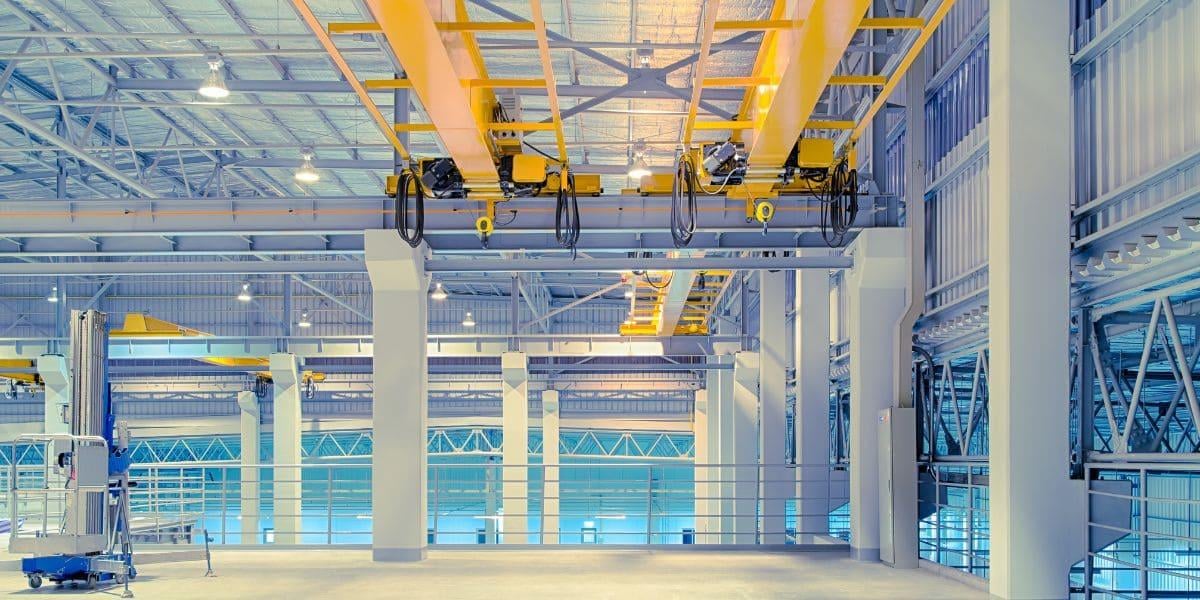
this-piping-facility-used-a-metal-building-with-an-overhead-crane

Versatility

There are what seems like infinite possibilities for steel industrial structures.

You can design extra loads for sprinkler systems, overhead cranes, overhead doors, skylights, or any other specialized industrial requirements.

With a prefab steel building package, you can design your structure to fit your needs now, and be set up so you can expand in the future.

You also have various insulation options to help keep your energy costs down throughout the year.


Potential Uses for Steel Industrial Buildings

An industrial pre-engineered building kit could be used for many different types of businesses.

Below we'll outline some potential uses for industrial buildings.


Manufacturing Metal Building Solutions

Industrial buildings are perfect for a manufacturing plant.

Prefab metal buildings make great housing for manufacturers because they are durable, spacious, and can handle the rigors and intensity of manufacturing processes.

Their clear span capabilities make these buildings quite popular for holding a wide array of machinery and establishing manufacturing activities that achieve excellent operational efficiency.

Metal prefab commercial buildings can also be easily expanded.

It's usually as simple as removing a wall and adding additional structures to increase your building space.

You can easily expand manufacturing to meet demand and ensure that you don't miss any potential opportunities with minimal interruption or downtime to business operations.


Industrial Warehouse Buildings

A prefabricated building is also ideal for warehouses because of its wide-open design.

The most important factor for managing your shipping and receiving is having enough available interior space.

The potential metal prefab building height and width are enough to store inventory while allowing space for logistics and organizational activities.

Metal prefab buildings can also be built and attached to existing structures. This can help limit business downtime while adding more functional space for your company.

this-distribution-center-used-an-prefab-metal-building

Prefab Metal Building Kits With Overhead Cranes

Many businesses will require an overhead crane. Industrial buildings offer a major advantage for these industries due to their clear span design. 

Industries like ship-building, online fulfillment centers, aviation, distribution centers, concrete manufacturing, and injection molding facilities all benefit from a metal prefab building kit with an overhead crane. 

But an industrial building is not just a basic structure, and your facility may require a different building feature than another.  That's why you need to work with a team of metal building experts, like STEVENS.


Ready to Get Started On Your Industrial Metal Building Construction Project?

Finding a dependable steel building company can be challenging, but it's also essential when dealing with an industrial steel building project.

If you're looking for the best metal building design team in the industrial industry, STEVENS offers high-quality, pre-engineered steel buildings and can work on almost every steel structure. 

Our team will help you customize your facility to suit your exact needs, supply, and erect your pre-engineered steel building.

They will ensure that they meet their specific needs and requirements for every steel building project. 

If you're ready to get started on your industrial metal building project click on the button below to create your metal building quote.

get-my-industrial-metal-building-quote

Check out our other industrial metal building articles:

The Top 5 Reasons To Use A Metal Building Kit For Your Warehouse

5 Long-Lasting Benefits Of Metal Building Kits

Metal Building Kit FAQs

References:

https://www.rhinobldg.com/steel-industrial-buildings/

https://greenbuildingelements.com/steel-building-kits/industrial/#Potential-Uses-for-Industrial-Metal-Building

https://www.branco.com/deep-dive-into-industrial-building-construction/

https://www.rhinobldg.com/what-is-a-metal-building-system/


Wednesday, March 23, 2022

Power Plant Pre-engineered Metal Buildings

Power Plant Pre-engineered Metal Buildings

Pre-engineered metal buildings are beneficial for the perfect choice for a number of buildings and industries. They can be used for data centers to help protect expensive equipment, and many businesses choose steel buildings for their warehouses.

Every industry can benefit from the cost, efficiency, and other benefits of pre-engineered metal buildings.

Power plants are no exception. They are in one of the most strict and complex industrial segments in the world.

They include the most critical operations that many other societal sectors, including residential, commercial, and industrial, rely on daily.

That's why the buildings and structures used for power plant facilities must be durable and reliable.

In the article below, we will discuss how prefabricated metal buildings are the best choice for designing and constructing power plant buildings and facilities.

Table Of Contents


What are Pre-Engineered Metal Buildings?

A pre-engineered metal building has a structural steel framing system, a metal roofing system, and wall panels of varying materials. Their structural designs make them one of the top choices for industrial buildings.

High-quality wall panels for your power plant can be fully customized to your needs.

They come in various choices, from single skin sheeting with added insulation to insulated sandwich panels.

A durable metal building provides a complete building envelope system which that is:

  • Air-tight
  • Energy efficient
  • Temperature controlled
  • Designed to suit your specifications

Pre-engineered steel buildings can be delivered much quicker than traditional materials.  This shortens the construction phase allowing the building process to be much more streamlined.

Using BIM (Building Information Modeling), plans can be made, so you have complete control from design to erection. Utilizing this 3D Building Modeling Software, engineers can see the virtual model and ensure that any potential hazards are mitigated before the construction project begins.

By using this software technology, STEVENS can provide a customizable, high-quality pre-engineered metal building. 

Your building will have foundation and anchor bolts cast parallel with finished, ready for the site bolting.

Pre-engineered metal buildings can drastically reduce the total construction time of your project, which is critical for power plants.

And due to the systems approach, there's a significant saving in structural component design, manufacturing, and on-site erection cost.

Steel buildings can be easily expanded so they can grow as needed.

Metal structures are manufactured completely in a factory under controlled conditions, so the quality is easier to manage vs. traditional construction projects. 

get-your-free-power-plant-metal-building-quote

Benefits of Using a Custom-Designed Power Plants Metal Building

As a critical industry that directly affects public service, power plants need to make the best use of large, complicated equipment.

This machinery needs reliable and robust buildings and structures and functional and practical workspaces to cater to the needs of the industry.


STEEL Power Plant Buildings are Customizable

Perhaps the greatest advantage of specialized steel buildings is you can have total control and choice over the manufacturing and design of the structure.

This allows builders to customize them to the unique needs of your power plant.

The ability to customize your structure keeps space, materials, and costs optimized and under control. 


Metal Power Plant Buildings are Versatile and Flexible

Pre-engineered steel building kits are inherently versatile and flexible building solutions.

Their design flexibility means they can be modified to a specific particular need or make changes to comply with restrictions and other local regulations and building codes.

A custom metal building structure is also flexible enough to accommodate future expansions for your power plant as necessary.  

steel-buildings-power-plant

Steel Power Plant Buildings are Fast and Efficient

Prefabricated metal building construction exhibits faster manufacturing and completion times than conventional building methods.

A pre-engineered building can be completed up to 30% faster than conventional construction methods.

This is due to the fact that the parts and sections of the power plant are designed and fabricated according to precise specifications in a factory.

Once completed, the pieces are transported to the power plant site and assembled.

Since the parts are prefabricated to exact measurements, it takes builders less time to construct on the job site


Metal Power Plant Buildings are Cost-Effective

A steel building project for power plants is cost-effective for several reasons.

First, the quick manufacturing and assembly speed reduces labor costs and construction delays.

This is done all while maintaining strict measurements and quality control.

Steel is also the most durable building material available today that will make your power plant last for decades.


Choose STEVENS for Your Metal Power Plant Building Construction and Design

It's easy to see why so many building project managers prefer using custom steel building kits for projects like power plants. They are:

  • Durable
  • Cost-effective
  • Shorten the construction period
  • Customizable to meet local building codes and industry-specific regulations

STEVENS is a leader in the construction industry that can provide you with an effective solution for your power plant.

Using quality recycled steel and excellent project management, STEVENS can utilize prefabricated metal building construction to design your power plant.

With our experience and expertise, we can help you with the design and construction of your power plant buildings and facilities.

Our construction knowledge and expertise allow us to deliver quality project outcomes to companies in the Power and Energy sectors.

If you are interested in a metal building for your power or energy operation, contact STEVENS today by clicking the link below to get your pre-engineered metal building quote.

get-your-free-power-plant-steel-building-quote

Check out our other pre-engineered steel building articles:

5 LONG-LASTING BENEFITS OF METAL BUILDING KITS

Metal Building Kit FAQs

Why Should You Choose A Pre-Engineered Metal Building Kit?


References:

https://www.cdmg.com/metal-building-kits/power-plants

https://www.schemmer.com/what-are-pre-engineered-metal-buildings/

https://www.carlanelsoncoconstruction.com/pre-engineered-metal-buildings/


Friday, February 18, 2022

What Does A Pipe Fabricator Do?

What Does A Pipe Fabricator Do?

Pipe fabrication is the manufacturing of metallic pipe and piping components to provide piping systems to transport or process liquids, gases, and solids.

A pipe fabricator is a professional who fabricates and assembles pipe products.

They fabricate pipes to specific customizations by following blueprints or product specification instructions.

Pipe fabricators tend to work in construction, production, or the manufacturing industry.

They often need technical training or education to complete the job responsibilities.

[Check out our article about how to find the best pipe fabrication shop.]

In the article below, we will look at pipe fabrication and what a pipe fabricator does.

Table Of Contents


What Is Pipe Fabrication?

Pipe fabrication involves the manufacturing of lengths of metallic pipe and piping components.

These components include wrought or forged elbows, tee, and reducer fittings, forged flanges, and the pipe itself.

The end result of pipe fabrication is a piping system that can transport or process liquids, gases, and solids.

Pipe fabrication plays a critical part in our society's infrastructure.

It ensures the facilities we rely on and work in are safely designed, mechanically correct, and tested to be sure the piping systems is designed properly.

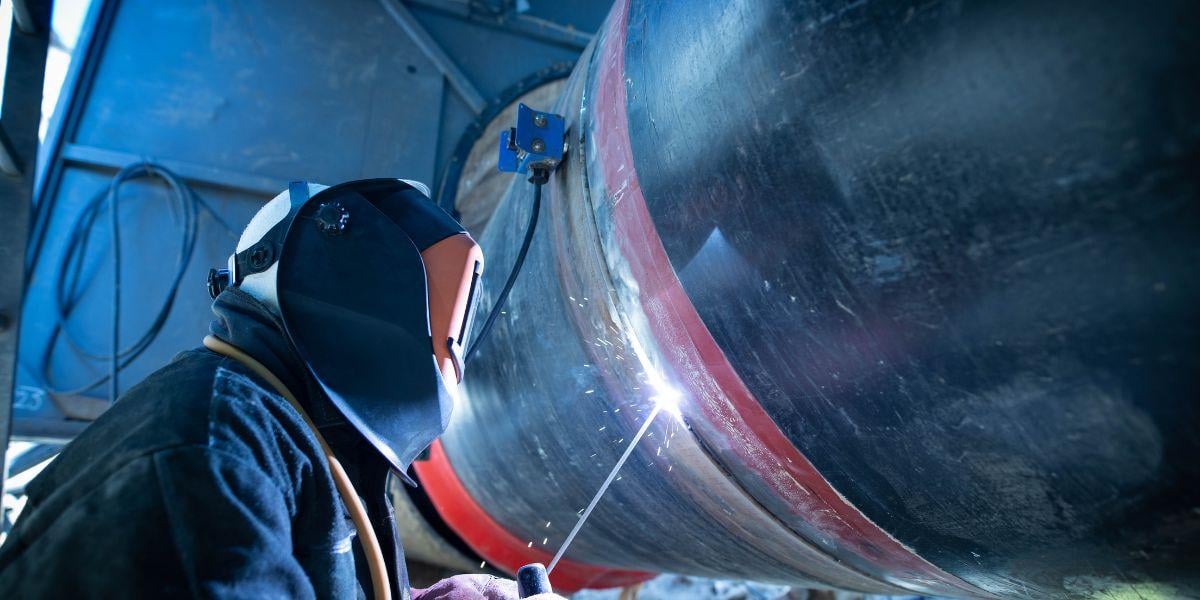
The fabrication of piping usually includes cutting, beveling, welding, and bending raw materials and is performed by skilled pipe fabricators.

In a construction project with a network of piping, pipe fabrication requires comprehensive planning, scheduling, and execution based on the design, location, timing, and budget of the project.

get-your-custom-metal-pipe-fabrication-quote

What Does A Pipe Fabricator Do?

A pipe fabricator makes the pipe fabrication process go.

They specialize in manufacturing and assembling equipment or devices and ensure the quality and efficiency of every product.

A pipe fabricator will read and interpret blueprints and product specifications.

They will use this information to determine which equipment and tools will be required to complete the work.

Utilizing the proper tools, they fabricate and assemble piping products following quality control standards to ensure they meet the required specifications.

Some pipes are customized, while others require repetitive procedures to complete the piping job.

A few typical tasks a pipe fabricator is likely to perform are:

  • Finish weld using SMAW, GMAW, FCAW, GTAW as required.
  • Certify in SMAW, GMAW.
  • Advance knowledge of shop mathematics.
  • Install outdoor condensing units and run refrigeration lines.
  • Test and troubleshoot electrical systems before shipment of modules.
  • Fabricate and erect structural, ornamental, and misc steel.
  • Lean manufacturing training and ISO training.
  • Install or troubleshoot electrical lighting on trucks.
  • Read blueprints


What Tools Will A Pipe Fabricator Use?

Pipe fabricators use specialized equipment to get their jobs done safely and efficiently.

Pipe fabrication equipment is designed to handle medium- to large-scale projects.

It's intended for use only in the workshop with appropriate space and complete quality control capabilities.

Some pipe fabrication tasks may also be completed in the field.

No matter where the work takes place, a few essential tools allow pipe fabricators to create complex precision piping systems:

  • Saws and Thermal Cutting Equipment
  • Rotating Equipment
  • Pipe Jacks
  • Fork Lifts to lift heavy objects
  • Cranes
  • Pipe End Finishers
  • Welding Equipment
  • Pipe Benders
  • Pipe Fit-Up Tools
  • Pipe Flangers
  • Rigging & Transportation Equipment

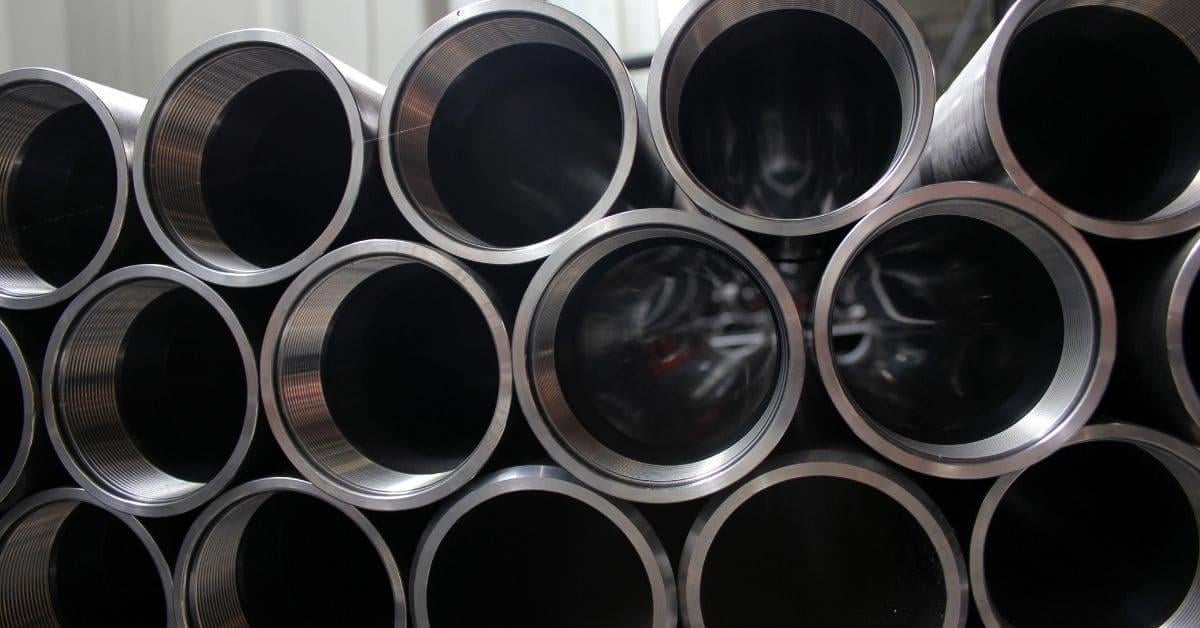
a-stack-of-stainless-steel-pipe-in-our-fabrication-site

Where Does A Pipe Fabricator Work?

Some projects call for a field construction solution, and some call for completion in a workshop.

Whether it's more appropriate to fabricate pipe in the shop or on-site depends on the size and scope of the project.

It's also influenced by numerous factors, like:

  • Weather
  • Pipe material and dimensions
  • Accessibility
  • Safety concerns
  • Availability of on-site support personnel
  • Required welding facilities and resources
  • Scheduling and collaboration with other trades
  • Environmental and quality control needs

Pipe fabricators can work in the field, and they typically have a workshop to handle projects of various sizes.


Contact STEVENS For Your Next Pipe Fabrication Project

At STEVENS, our pipe fabrication team has the experience and knowledge to get your project done on time and under budget.

They will work with you to determine the best piping solutions for your specific project.

Once we clearly understand what you are looking for, our pipe fabrication experts will provide you with an estimate that includes every step in the process.

We've worked with complex piping systems, large and small piping projects, and a wide variety of customized piping projects.

As leaders in the pipe fabrication industry, we know how to get the job done right, on time, and within budget.

Our pipe fabricator shop has decades of experience meeting customer specifications, completing challenging assembly, and providing on-time delivery to ensure our clients' projects are finished on time.

If you need professionally created and engineered pipes for your next pipe fabrication project, don't hesitate to contact STEVENS.

Click below for your pipe fabrication quote today.

contact-our-metal-pipe-fabrication-company-today


Check out our other Pipe Fabrication articles:

How To Find The Best Pipe Fabrication Company

What Is Pipe Fabrication?

References:

https://www.zippia.com/fabricator-jobs/what-does-a-fabricator-do/

https://apexpiping.com/an-introduction-to-pipe-fabrication/

https://careertrend.com/about-6406689-job-description-mechanical-assembler.html